How to adjust sliding door hardware for smooth operation
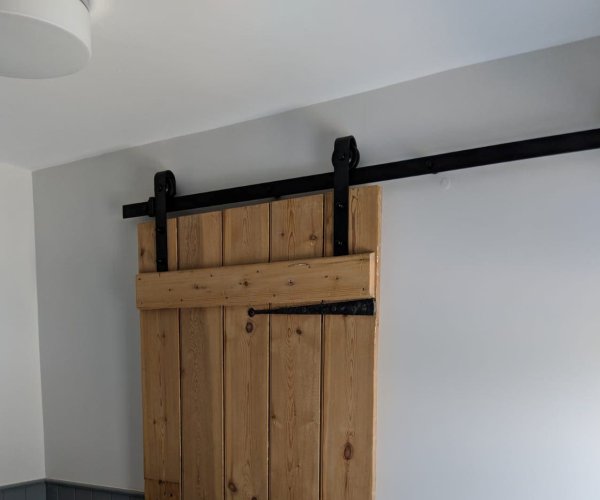 The sliding door is a progressive and attractive alternative to the pocket door, which provides many of the same benefits in terms of everyday practicality and visual appeal. The pocket door creates space in a room by opening into a wall pocket and disappearing from view. Instead, the sliding door also runs along an overhead track, but finds a resting open position adjacent to the wall and therefore still exposed. In terms of creating space and not encroaching into a room, siding doors provide the same benefits, and visually they have the same contemporary and seamless appeal, the key difference is that sliding door gear is much easier to install as you have more space to work in and you don’t have to create a wall cavity.
And just like the pocket door, sliding doors are robust and durable and can be utilised for thousands of opening and closing cycles over a period of time. But sliding door hardware is still subjected to wear and tear and does need some monitoring and day-to-day maintenance in order to ensure a smooth operation, and in this guide we will explain why you need to make adjustments, and the most common adjustments you will be required to make.
What causes sliding doors to require adjustment?
- The doors are sticking – Dirt and debris can naturally accumulate in the track or cause problems with the rollers, making it much harder to operate the doors. If the doors are sticking or need much more force, this can become very frustrating.
- Not closing properly – Over time doors can become misaligned and therefore they don’t close properly. This could be screws working loose or hardware settling out of line. Whatever has caused the misalignment, it can lead to security or energy efficiency issues if the door doesn’t close properly.
- Prolonged use – General wear and tear is natural and understandable and can lead to the rollers, track or other components sticking or not running smoothly. It is important to maximise the lifespan of sliding doors by looking after these individual parts.
Important adjustments for smooth operation of your sliding doors
- Cleaning the track – Using a brush and a damp cloth you can remove dirt and debris that has accumulated in the track. You will be able to see straight away why the door hasn’t been operating smoothly, and a clean track will help the door operate trouble-free every time. You can even use a vacuum cleaner to get into tight spaces in the track and ensure you are effective in removing any foreign bodies which could hinder the operation.
- Test the rollers – The rollers are usually attached to the door and operate by running along the overhead track. You should examine the rollers, check how freely they move, check for cracks, grooves or other signs of wear and clean the rollers with a brush and a damp cloth to remove any dirt or debris that has built-up. This ensures the rollers have the best chance of running smoothly and freely.
- Check height and alignment – The door can be raised or lowered using adjustment screws located on the door, to ensure it is properly aligned. You may find the door has dropped, or maybe the floor surface is uneven or you have had new flooring installed. This can all impact on how the door operates. It is always a good idea to check and adjust screws after a period of use, as general day-to-day operation can work some screws loose and lead to the door dropping and not running true along the floor and the track.
- Lubricate – Using a silicone-based lubricant you can make sure the key components of the sliding door hardware operate freely. Avoid using an oil-based lubricant as these can attract dirt, which is the opposite of what you want. You should lubricate the track and the rollers to reduce friction and provide the best conditions for smooth operation.
- Test – Once you have carried out all these small adjustments, test the door repeatedly to ensure it operates smoothly and is better aligned than before. Sometimes, by making small adjustments and solving one problem, you can cause another. So repeat these tests to ensure the door operation is consistent and reliable.
Once you have completed these adjustments, check to make sure you have re-installed all the component parts you may have removed, such as a pelmet, door handles or screw covers. You should carry out this type of maintenance regularly, at least once per year depending on the frequency of use, and in the meantime, you should also carry out best practice in not slamming doors. This should ensure the door operates smoothly and quietly, and doesn’t stick, drag, make a noise or leave a gap when closed.
You can check out our range of sliding door gear at Pocket Door Shop today.
‹ Go Back